
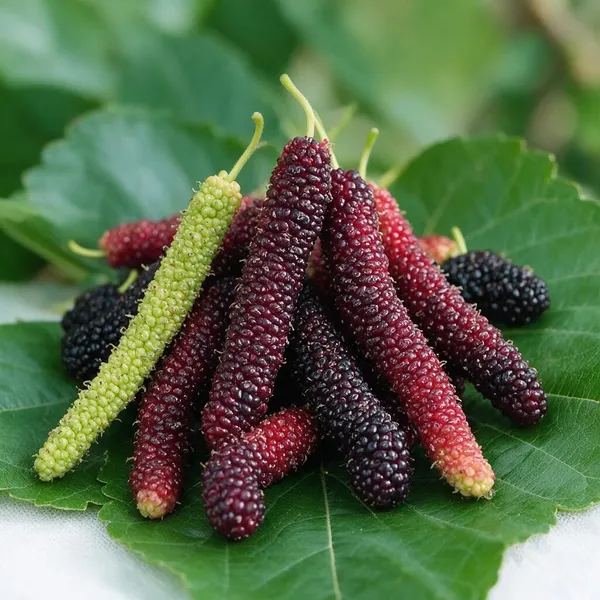
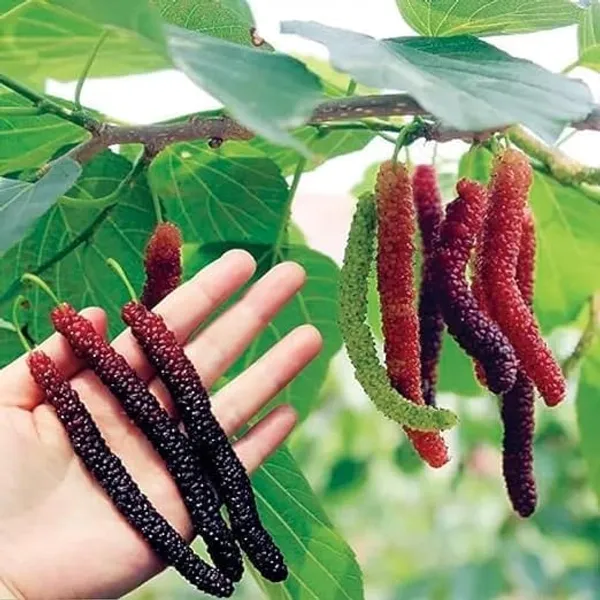
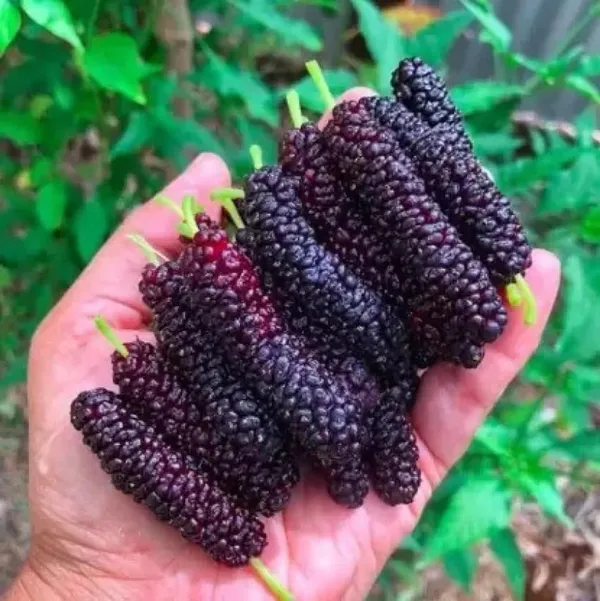
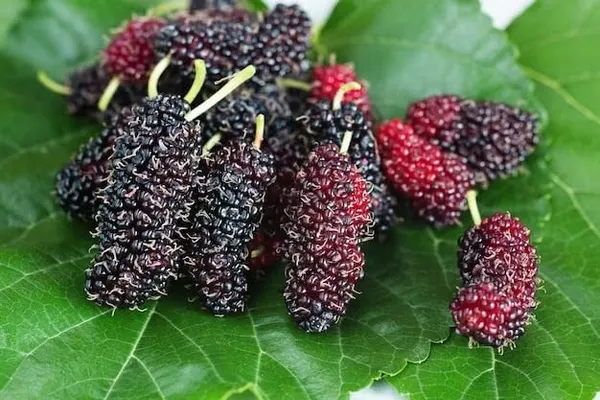
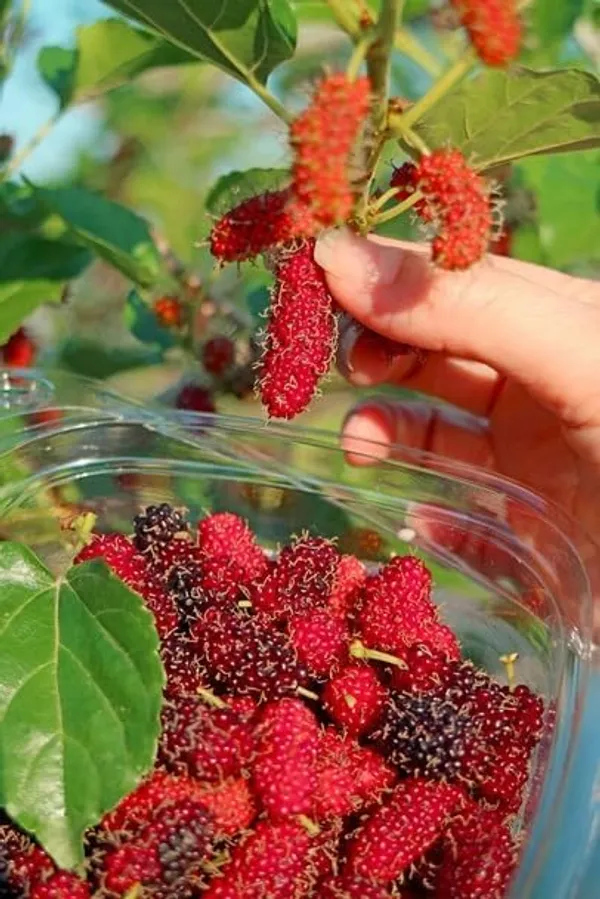
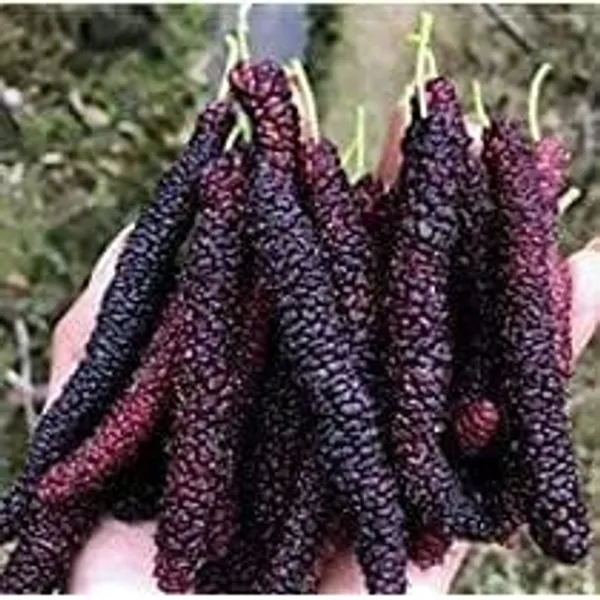
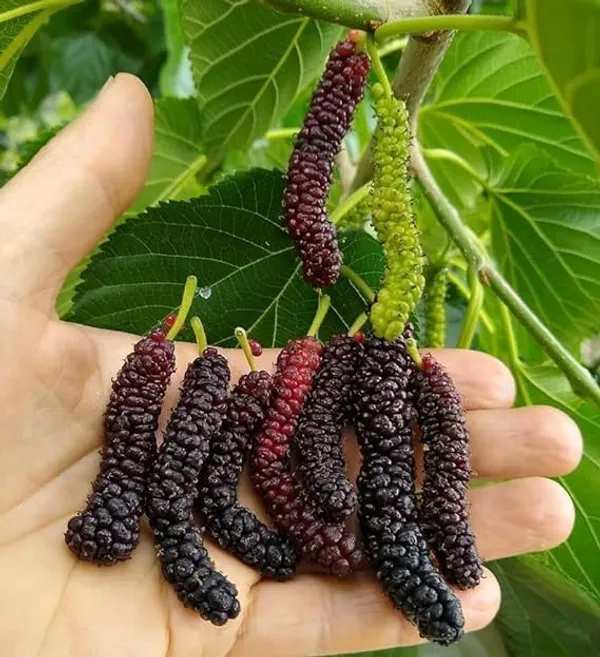


Taiwan Mulberry Plant
₹399
₹639
37% OffFinal Price inclusive of all taxes
Cash on Delivery
Free Delivery
Get it delivered in 3-6 days
size
Sappling
Product Information
brand
Plant Exotic
ideal
Outdoor
country
India
pack
1
Product Description
- Feature: Mulberry trees can thrive in both full sun and partial shade conditions. As with many fruiting trees, more light helps the trees produce more fruit.
- Feature: Mulberry trees are somewhat adaptable and can deal with clay, loam, and sandy soil with ease, as long as the mixture can maintain sufficient drainage. The trees can thrive in a range of pH levels varying from neutral to mildly acidic.
- Water Your Mulberry Tree Deeply And Regularly After Planting To Help It Establish A Strong Root System. Using 2 To 3 Gallons Per Week For The First Year Is Recommended. Once Established, Mulberry Trees Are Fairly Drought: tolerant, though prolonged dry weather can lead to a reduction in fruiting or early dropping of the unripe berries.
- Mulberry Trees Often Do Quite Well With No Fertilization, Though They Can Benefit From A Yearly Application. Feed Your Tree Once In Late Winter, Using A Balanced 10: 10-10 mixture and measuring out 1 pound of fertilizer for each inch in the trunk's diameter.
- Feature: Mulberry plants grow best when they receive at least 6 to 8 hours of direct sunlight per day.